

bauma CHINA 2026 opens in Shanghai on November 23. This time the show is spread over two venues, which is new. Engines, machines and components sit at SNIEC (Shanghai New International Expo Centre), open November 24 to 27. We'll be there. Hall N5, Booth 559. If you work with Yanmar or Kubota diesel engines, or you run a fuel injection shop, come and see us. Bring a part number with you, or a whole list of them if you've got one, we really don't mind. What Is bauma CHINA? Think of it as bauma Munich's big sibling in Asia. Messe München runs it, and it comes back to Shanghai every second year. We had a stand there in 2024 as well, and the halls were busy from the first morning to the last afternoon. The official count says 3,542 exhibitors and 281,488 visitors from 188 countries and regions, and a good chunk of those (about one in five) weren't Chinese. Lots of Russian, Indian, Malaysian and Korean buyers walking the aisles. And it's getting bigger. The organizers are talking about close to 4,000 exhibitors this time and 400,000 square meters of space, which they say is a record. So yeah, wear good shoes. bauma CHINA 2026 Dates and Venues Two venues, and they don't open on the same days, which is an easy thing to mess up when you're booking flights. Here's how it breaks down: Venue Address Dates Hours SNIEC (Shanghai New International Expo Centre) 2345 Longyang Road, Pudong Nov 24 to 27 09:00 to 17:00 (Nov 27: until 15:00) SWEECC (Shanghai World Expo Exhibition & Convention Center) 1099 Guozhan Road, Pudong Nov 23 to 26 09:00 to 17:00 (Nov 26: until 15:00) If you've been to bauma CHINA before, SNIEC is the place you know, with the machines and trucks and engines and parts. SWEECC is the newer part, where they've put the future technologies along with the big forums and the live demos. Your pass works at both. They're roughly 8 km from each other. According to online information, free shuttle runs between them, or hop on metro line 7 or 8. Registering for a Visitor Pass Sign up online on the official bauma CHINA site and you get in free. Walk up without registering and it's RMB 80, about 12 dollars. Cheap, sure. The day one line is the real cost. Coming from abroad? Look at the visa page on the organizer's site. Some passports get visa-free entry now, and if yours doesn't you can ask them for an invitation letter. Don't leave that to the last week. Why Engine Parts Buyers Should Walk Through Hall N5 Let's be real, most people go to bauma CHINA to look at the big iron, the excavators and cranes and wheel loaders. Fair enough, we do too. But walk past the mini excavators, skid steers and gensets and lift a few engine covers. You'll see a lot of Yanmar and a lot of Kubota under there. Those machines get sold, they go to work, they rack up hours, and sooner or later somebody's on the phone looking for a head gasket. That phone call is basically our whole business. A few things worth looking at while you're in the halls: Engine model coverage. When a supplier tells you they do Yanmar parts, ask them which Yanmar. A 3TNV88 kit won't do you much good on a 4TNV98, and you'd be surprised how many stands can't answer that one straight. Overhaul kit contents. A cheap kit that's missing main bearings or valve stem seals costs you a second order and a second week of downtime. Check what's in the box. Common Rail support. Newer compact diesels are mostly common rail now. If you've got injectors coming across your bench, you already know a Bosch, Denso and Delphi unit aren't interchangeable, and the nozzles and repair kits aren't either. Talk to people who get that without you having to explain it. Stock and shipping. A catalog isn't stock. Ask where the boxes actually leave from, and how many days they sit in transit before they get to you. Meet Sensei Parts at Hall N5, Booth 559 We'll be at SNIEC all four days, 24th to the 27th. We can't wait to host you, really. And we'd rather talk about the engines you're actually fixing than just push a brochure at you. What's on the stand at N5.559: • Spare parts fully compatible with Yanmar and Kubota: overhaul kits, cylinder heads, water pumps, oil coolers, gasket sets • Common Rail injectors, nozzles, repair kits (Bosch, CAT, Perkins, Delphi, Denso, Siemens compatible) • Complete engines and short blocks if you're repowering • The people who run our distributor program Thirty years we've been doing engine parts. 7,500+ products sit on our shelves right now, and they go out to over 100 countries. North American orders ship from our Delaware warehouse. And language usually isn't a problem with us. Between the people on our team we've got English, Russian, Persian, German, French, Spanish, Chinese and Hindi covered. Running a distribution business or a service shop and need a steady Yanmar and Kubota parts source? Ask us for a sit-down. Pricing, stock access, how the B2B dealer system works. We'll go through all of it. Before You Go: A Short Checklist • Free pass: register online first • SNIEC opens the 24th. Not the 23rd! • Serial numbers and part numbers from the machines in your shop • That one model you can never find parts for (everyone has one) • A meeting slot with us, booked ahead, so we've got the right people there • Last day closes at 15:00, both venues Can't make it to Shanghai this time? No problem. Drop your part number or engine serial on our contact page. We check fitment first, then you order. bauma CHINA 2026: Quick Questions When is bauma CHINA 2026? It runs November 23 to 27, 2026, but careful: only SWEECC is open on the 23rd. SNIEC, where you'll find our booth, opens on the 24th and goes through the 27th. Where is Sensei Parts at bauma CHINA 2026? You'll find us in Hall N5, Booth 559. That's at SNIEC on Longyang Road in Pudong. Is entry to bauma CHINA free? Free with online pre-registration. Skip that step and you'll pay RMB 80 at the counter. How often is bauma CHINA held? Every two years. 2024 was the last one, so after this November you're looking at 2028. Do I need two tickets for the two venues? No. The same pass gets you in at both, and there's a free shuttle bus going back and forth. Can I order Sensei parts if I don't attend? Yes. You can order through senseiparts.com, our Amazon and eBay stores, or through a distributor. Not sure about fitment? Contact us with your part number. See you in Shanghai.

The New Name of Durability in Engine Spare Parts As of 2024, our new brand, Sensei, representing the innovative vision of Çözüm Makina,has entered the market as the new address for quality and trust in engine spare parts. Wetake pride in launching the Sensei brand by combining our 30 years of industry experience, extensive expertise, and innovative approach. Our product range covers all spare parts available in the market for Yanmar Diesel Engines. Our customers benefit not only from using products that match original part quality but also from budget-friendly solutions and superior performance. Sensei ensures businesses access high-quality maintenance for their equipment at accessible prices. The Birth of Sensei and Global Steps 2024 marked the entry of Sensei into the engine spare parts industry, with significant investments paving the way for a solid future: New Istanbul Headquarters: We acquired an independent building housing a dedicated showroom, warehouse, and office spaces for Sensei, enabling us to deliver faster and more efficient services to our customers. First Warehouse in the USA: Taking a major step toward globalization, we launched our first warehouse in the United States. This milestone allows our products to reach international markets and connect with customers worldwide. Our E-Commerce Network: By opening stores on the world's largest online sales platforms, such as Amazon and eBay, we expanded Sensei's reach and brought it closer to global customers. Sensei: From Türkiye to the World Mastery in Durability: With our slogan, "The Master Of Durability," we deliver long-lasting and reliable products. Customer Satisfaction: By combining high performance with cost-effectiveness, we provide our customers with the best experience. Global Vision: Expanding from Türkiye to the world, we aim tobecome the new address for trust and quality in engine spare parts. Why Choose Sensei? Fast Delivery: With our Istanbul headquarters and USAwarehouse, we offer same-day delivery options,ensuring uninterrupted support for your operations. Budget-Friendly Solutions: Combining original partquality with affordable prices, we help protect bothyour equipment and your budget. Global Access: Through our Amazon and eBay stores,Sensei products are easily accessible from anywhere inthe world. Reliability: With 30 years of experience, we take pridein being your trusted partner in the industry. Trade Fairs of 2024 Automechanika 2024 We were proud to launch our new brand, Sensei, at Automechanika Istanbul, the only event in Türkiye of Automechanika, the world’s leading trade fair brand for the automotive aftermarket industry. The event took place between May 23-26. We also had the opportunity to connect with current and potential customers of the brands we distribute under Çözüm Makina, strengthening our relationships. Komatek 2024 At the 17th Komatek Expo, held from May 29 to June 1 at the Istanbul Expo Center, we participated alongside leading names in the construction and heavy machinery sector with both Sensei and Çözüm Makina. This solidified our position in the industry,increased brand awareness for Sensei, and allowed us to reach new customer groups.We were delighted to take part in the Bosphorus Boat Show | In Water from October 26 toNovember 3, which brought together professionals from the maritime industry inIstanbul. Throughout the fair, we showcased the extensive product range of our SenseiParts brand, attracting significant interest from attendees. Concurrently, we displayedour Mase Marine generators, providing visitors with a comprehensive vision of oursolutions in the maritime industry. This participation helped us establish new connections with potential business partners and expand our network. Bauma China 2024 At this prestigious event held in Shanghai, China, from November 26-29, we introducedSensei to a global audience for the first time. It was a rewarding experience filled withhard work from our team and great interest from visitors. This event marked animportant milestone for our company, as each fair we attend enhances our internationalimpact and recognition. Next Goal: Bauma Munich 2025! We are thrilled to announce that our company will participate in Bauma Munich, one ofthe world’s largest construction machinery and construction technology fairs, in 2025.Scheduled for April 7-13, this prestigious fair will provide an excellent opportunity topromote Sensei again in the global market and explore new business opportunities withinternational clients. Bauma Munich promises to be a significant step in supporting ourglobal growth.

The New Name of Durability in Engine Spare Parts As of 2024, our new brand, Sensei, representing the innovative vision of Çözüm Makina,has entered the market as the new address for quality and trust in engine spare parts. Wetake pride in launching the Sensei brand by combining our 30 years of industry experience, extensive expertise, and innovative approach. Our product range covers all spare parts available in the market for Yanmar Diesel Engines. Our customers benefit not only from using products that match original part quality but also from budget-friendly solutions and superior performance. Sensei ensures businesses access high-quality maintenance for their equipment at accessible prices. The Birth of Sensei and Global Steps 2024 marked the entry of Sensei into the engine spare parts industry, with significant investments paving the way for a solid future: New Istanbul Headquarters: We acquired an independent building housing a dedicated showroom, warehouse, and office spaces for Sensei, enabling us to deliver faster and more efficient services to our customers. First Warehouse in the USA: Taking a major step toward globalization, we launched our first warehouse in the United States. This milestone allows our products to reach international markets and connect with customers worldwide. Our E-Commerce Network: By opening stores on the world's largest online sales platforms, such as Amazon and eBay, we expanded Sensei's reach and brought it closer to global customers. Sensei: From Türkiye to the World Mastery in Durability: With our slogan, "The Master Of Durability," we deliver long-lasting and reliable products. Customer Satisfaction: By combining high performance with cost-effectiveness, we provide our customers with the best experience. Global Vision: Expanding from Türkiye to the world, we aim tobecome the new address for trust and quality in engine spare parts. Why Choose Sensei? Fast Delivery: With our Istanbul headquarters and USAwarehouse, we offer same-day delivery options,ensuring uninterrupted support for your operations. Budget-Friendly Solutions: Combining original partquality with affordable prices, we help protect bothyour equipment and your budget. Global Access: Through our Amazon and eBay stores,Sensei products are easily accessible from anywhere inthe world. Reliability: With 30 years of experience, we take pridein being your trusted partner in the industry. Trade Fairs of 2024 Automechanika 2024 We were proud to launch our new brand, Sensei, at Automechanika Istanbul, the only event in Türkiye of Automechanika, the world’s leading trade fair brand for the automotive aftermarket industry. The event took place between May 23-26. We also had the opportunity to connect with current and potential customers of the brands we distribute under Çözüm Makina, strengthening our relationships. Komatek 2024 At the 17th Komatek Expo, held from May 29 to June 1 at the Istanbul Expo Center, we participated alongside leading names in the construction and heavy machinery sector with both Sensei and Çözüm Makina. This solidified our position in the industry,increased brand awareness for Sensei, and allowed us to reach new customer groups.We were delighted to take part in the Bosphorus Boat Show | In Water from October 26 toNovember 3, which brought together professionals from the maritime industry inIstanbul. Throughout the fair, we showcased the extensive product range of our SenseiParts brand, attracting significant interest from attendees. Concurrently, we displayedour Mase Marine generators, providing visitors with a comprehensive vision of oursolutions in the maritime industry. This participation helped us establish new connections with potential business partners and expand our network. Bauma China 2024 At this prestigious event held in Shanghai, China, from November 26-29, we introducedSensei to a global audience for the first time. It was a rewarding experience filled withhard work from our team and great interest from visitors. This event marked animportant milestone for our company, as each fair we attend enhances our internationalimpact and recognition. Next Goal: Bauma Munich 2025! We are thrilled to announce that our company will participate in Bauma Munich, one ofthe world’s largest construction machinery and construction technology fairs, in 2025.Scheduled for April 7-13, this prestigious fair will provide an excellent opportunity topromote Sensei again in the global market and explore new business opportunities withinternational clients. Bauma Munich promises to be a significant step in supporting ourglobal growth.
What Is Automechanika Frankfurt 2026? Automechanika Frankfurt is a trade fair for the automotive aftermarket, covering parts and components, diagnostics and repair, body and paint, car wash and detailing, and digital services for the industry, all under one roof. It's also the original edition of the Automechanika brand, the one everything else got named after. Organizers list more than 4,400 exhibitors from over 80 countries for 2026, spread across roughly 300,000 square metres at Messe Frankfurt. Already fully booked. When and Where Is Automechanika Frankfurt 2026 Held? Automechanika Frankfurt 2026 dates: September 8 to 12. Messe Frankfurt exhibition grounds, Frankfurt am Main, Germany. Automechanika Frankfurt timings run 9 a.m. to 6 p.m. from the 8th through the 11th. Closing day runs shorter, September 12, 9 a.m. to 5 p.m. Automechanika Frankfurt 2026 tickets are sold through the official Messe Frankfurt ticket shop online, the organizers' only channel for them. Automechanika Club membership is free to join, and members currently get free admission to the fair along with access through dedicated fast lane entrances, a benefit the organizers say runs free through the end of 2027. Who Attends Automechanika Frankfurt? The Automechanika Frankfurt 2026 exhibitor list spans parts manufacturers, remanufacturers, workshop equipment suppliers, digital service providers. Vehicle manufacturers too, exhibiting directly. BMW confirmed for 2026, along with Stellantis. How big does that get in practice? The 2024 edition drew over 100,000 visitors from more than 170 countries. Over 4,000 exhibitors from more than 75. Official figures. What Engine Parts Buyers Should Focus On Diesel Engine Components Inside Parts & Components, exhibitors cover engine, powertrain, and exhaust system parts across drive technologies. Internal combustion included. Exhaust gas after treatment gets its own listed category: catalytic converters, particulate filters, oxygen sensor. Worth a stop if EGR and DPF components are part of what you buy or sell. Rebuild Kits & Maintenance Parts The same product group covers remanufactured engine and drivetrain components. Reuse, repair, remanufacture, recycle, recover, repurpose, the organizers' own wording. Useful detail for engine buyers: a lot of what sits in this category is built around diesel platforms that turn up well outside passenger cars, in tractors, gensets, compressors, marine installations. Same blocks, same heads, same injection hardware. A dedicated Remanufacturing Day runs inside the fair as well, organized with APRA, the Automotive Parts Remanufacturers Association. Overhaul kits, cylinder heads, bearing sets, rebuild components: go through the category systematically. Reman suppliers cluster together in the exhibitor search results, so browsing at random misses most of them. Maintenance parts land in the same Parts & Components group. Filters, gaskets, seals, belts, other wear items, listed right next to the engine and drivetrain parts. Fuels and lubricants sit in a separate group, Oils, Lubricants & Fuels. Check that one on its own if it's on your list. OEM vs Aftermarket Options Automechanika puts OEM-adjacent exhibitors and independent aftermarket suppliers in the same halls. That's what makes it workable for comparing cross-reference numbers, tolerances, what actually ships in a kit, side by side. Checking fitment against a specific application? Bring your own OEM part numbers, or an engine serial number. That's the detail a booth rep actually needs to confirm compatibility. A general description may not be enough. Planning Your Visit to Automechanika Frankfurt 2026 Best Times to Visit Each Hall Messe Frankfurt hasn't published an hour-by-hour crowd breakdown for the 2026 Automechanika Frankfurt exhibition. Treat any specific time recommendation with caution, this one included. What generally holds across large trade fairs: opening days draw heavier crowds, international visitors front-loading their schedules. The final afternoon thins out fast, especially with the show closing early, 5 p.m. on September 12. One hall or product group matters more to you than the rest? Check the exhibitor search tool on the official site before you travel. It'll tell you more than any rule of thumb. Tips Before You Go (Pre-Show Checklist) Register for a ticket in advance. Don't plan to buy on-site. Download the Navigator app the organizers provide, hall maps and exhibitor search, right there during the show. If you're sourcing parts for specific engines, bring OEM numbers or serial numbers with you instead of relying on memory. Automechanika Club registration is free to join too, and it currently bundles in free admission for 2026. How Sensei Parts Supports Automechanika Visitors Whether or not you make it to Frankfurt this year, Sensei keeps an OEM cross-reference catalog for Yanmar and Kubota engine parts, along with Common Rail injectors, spare parts, and test benches compatible with CAT, Bosch, Perkins, Denso, Delphi, and Siemens systems. Check compatibility against a specific engine serial number before or after any conversation with a supplier at the fair, it doesn't matter which. Got a part number from a supplier at the fair? Send it over. A cross-check before you commit to an order. After the Event: Follow-Up Steps for Buyers Sort the business cards and quotes you collected by product category the same week. Not the following month. Cross-reference any new supplier's part numbers against your existing catalog before switching, or adding a source. Then follow up directly with whichever exhibitor's pricing or lead time looked competitive, while the exchange is still fresh on both sides. FAQ About Automechanika Frankfurt How often is Automechanika Frankfurt held? Automechanika Frankfurt runs every two years. The 2026 edition follows 2024. The next one lands in 2028. What is the difference between Automechanika Frankfurt and its regional spin-offs? Automechanika is a trade fair brand, more than a dozen events, four continents, according to the organizers. Frankfurt Automechanika is the original one. The regional shows run on their own schedules, scaled to their own markets. Exhibitor lists and dates are separate from Frankfurt's. Where is Automechanika Frankfurt 2026 located? The Automechanika Frankfurt location is the Messe Frankfurt exhibition grounds in Frankfurt am Main, Germany, reachable by S-Bahn, U-Bahn, or tram. Sensei stocks Yanmar and Kubota parts and Common Rail components, cross-referenced by OEM number. Send us your engine's serial number, or a part number from any supplier you're comparing, and we'll confirm fitment before you order.

The New Name of Durability in Engine Spare Parts As of 2024, our new brand, Sensei, representing the innovative vision of Çözüm Makina,has entered the market as the new address for quality and trust in engine spare parts. Wetake pride in launching the Sensei brand by combining our 30 years of industry experience, extensive expertise, and innovative approach. Our product range covers all spare parts available in the market for Yanmar Diesel Engines. Our customers benefit not only from using products that match original part quality but also from budget-friendly solutions and superior performance. Sensei ensures businesses access high-quality maintenance for their equipment at accessible prices. The Birth of Sensei and Global Steps 2024 marked the entry of Sensei into the engine spare parts industry, with significant investments paving the way for a solid future: New Istanbul Headquarters: We acquired an independent building housing a dedicated showroom, warehouse, and office spaces for Sensei, enabling us to deliver faster and more efficient services to our customers. First Warehouse in the USA: Taking a major step toward globalization, we launched our first warehouse in the United States. This milestone allows our products to reach international markets and connect with customers worldwide. Our E-Commerce Network: By opening stores on the world's largest online sales platforms, such as Amazon and eBay, we expanded Sensei's reach and brought it closer to global customers. Sensei: From Türkiye to the World Mastery in Durability: With our slogan, "The Master Of Durability," we deliver long-lasting and reliable products. Customer Satisfaction: By combining high performance with cost-effectiveness, we provide our customers with the best experience. Global Vision: Expanding from Türkiye to the world, we aim tobecome the new address for trust and quality in engine spare parts. Why Choose Sensei? Fast Delivery: With our Istanbul headquarters and USAwarehouse, we offer same-day delivery options,ensuring uninterrupted support for your operations. Budget-Friendly Solutions: Combining original partquality with affordable prices, we help protect bothyour equipment and your budget. Global Access: Through our Amazon and eBay stores,Sensei products are easily accessible from anywhere inthe world. Reliability: With 30 years of experience, we take pridein being your trusted partner in the industry. Trade Fairs of 2024 Automechanika 2024 We were proud to launch our new brand, Sensei, at Automechanika Istanbul, the only event in Türkiye of Automechanika, the world’s leading trade fair brand for the automotive aftermarket industry. The event took place between May 23-26. We also had the opportunity to connect with current and potential customers of the brands we distribute under Çözüm Makina, strengthening our relationships. Komatek 2024 At the 17th Komatek Expo, held from May 29 to June 1 at the Istanbul Expo Center, we participated alongside leading names in the construction and heavy machinery sector with both Sensei and Çözüm Makina. This solidified our position in the industry,increased brand awareness for Sensei, and allowed us to reach new customer groups.We were delighted to take part in the Bosphorus Boat Show | In Water from October 26 toNovember 3, which brought together professionals from the maritime industry inIstanbul. Throughout the fair, we showcased the extensive product range of our SenseiParts brand, attracting significant interest from attendees. Concurrently, we displayedour Mase Marine generators, providing visitors with a comprehensive vision of oursolutions in the maritime industry. This participation helped us establish new connections with potential business partners and expand our network. Bauma China 2024 At this prestigious event held in Shanghai, China, from November 26-29, we introducedSensei to a global audience for the first time. It was a rewarding experience filled withhard work from our team and great interest from visitors. This event marked animportant milestone for our company, as each fair we attend enhances our internationalimpact and recognition. Next Goal: Bauma Munich 2025! We are thrilled to announce that our company will participate in Bauma Munich, one ofthe world’s largest construction machinery and construction technology fairs, in 2025.Scheduled for April 7-13, this prestigious fair will provide an excellent opportunity topromote Sensei again in the global market and explore new business opportunities withinternational clients. Bauma Munich promises to be a significant step in supporting ourglobal growth.

The New Name of Durability in Engine Spare Parts As of 2024, our new brand, Sensei, representing the innovative vision of Çözüm Makina,has entered the market as the new address for quality and trust in engine spare parts. Wetake pride in launching the Sensei brand by combining our 30 years of industry experience, extensive expertise, and innovative approach. Our product range covers all spare parts available in the market for Yanmar Diesel Engines. Our customers benefit not only from using products that match original part quality but also from budget-friendly solutions and superior performance. Sensei ensures businesses access high-quality maintenance for their equipment at accessible prices. The Birth of Sensei and Global Steps 2024 marked the entry of Sensei into the engine spare parts industry, with significant investments paving the way for a solid future: New Istanbul Headquarters: We acquired an independent building housing a dedicated showroom, warehouse, and office spaces for Sensei, enabling us to deliver faster and more efficient services to our customers. First Warehouse in the USA: Taking a major step toward globalization, we launched our first warehouse in the United States. This milestone allows our products to reach international markets and connect with customers worldwide. Our E-Commerce Network: By opening stores on the world's largest online sales platforms, such as Amazon and eBay, we expanded Sensei's reach and brought it closer to global customers. Sensei: From Türkiye to the World Mastery in Durability: With our slogan, "The Master Of Durability," we deliver long-lasting and reliable products. Customer Satisfaction: By combining high performance with cost-effectiveness, we provide our customers with the best experience. Global Vision: Expanding from Türkiye to the world, we aim tobecome the new address for trust and quality in engine spare parts. Why Choose Sensei? Fast Delivery: With our Istanbul headquarters and USAwarehouse, we offer same-day delivery options,ensuring uninterrupted support for your operations. Budget-Friendly Solutions: Combining original partquality with affordable prices, we help protect bothyour equipment and your budget. Global Access: Through our Amazon and eBay stores,Sensei products are easily accessible from anywhere inthe world. Reliability: With 30 years of experience, we take pridein being your trusted partner in the industry. Trade Fairs of 2024 Automechanika 2024 We were proud to launch our new brand, Sensei, at Automechanika Istanbul, the only event in Türkiye of Automechanika, the world’s leading trade fair brand for the automotive aftermarket industry. The event took place between May 23-26. We also had the opportunity to connect with current and potential customers of the brands we distribute under Çözüm Makina, strengthening our relationships. Komatek 2024 At the 17th Komatek Expo, held from May 29 to June 1 at the Istanbul Expo Center, we participated alongside leading names in the construction and heavy machinery sector with both Sensei and Çözüm Makina. This solidified our position in the industry,increased brand awareness for Sensei, and allowed us to reach new customer groups.We were delighted to take part in the Bosphorus Boat Show | In Water from October 26 toNovember 3, which brought together professionals from the maritime industry inIstanbul. Throughout the fair, we showcased the extensive product range of our SenseiParts brand, attracting significant interest from attendees. Concurrently, we displayedour Mase Marine generators, providing visitors with a comprehensive vision of oursolutions in the maritime industry. This participation helped us establish new connections with potential business partners and expand our network. Bauma China 2024 At this prestigious event held in Shanghai, China, from November 26-29, we introducedSensei to a global audience for the first time. It was a rewarding experience filled withhard work from our team and great interest from visitors. This event marked animportant milestone for our company, as each fair we attend enhances our internationalimpact and recognition. Next Goal: Bauma Munich 2025! We are thrilled to announce that our company will participate in Bauma Munich, one ofthe world’s largest construction machinery and construction technology fairs, in 2025.Scheduled for April 7-13, this prestigious fair will provide an excellent opportunity topromote Sensei again in the global market and explore new business opportunities withinternational clients. Bauma Munich promises to be a significant step in supporting ourglobal growth.
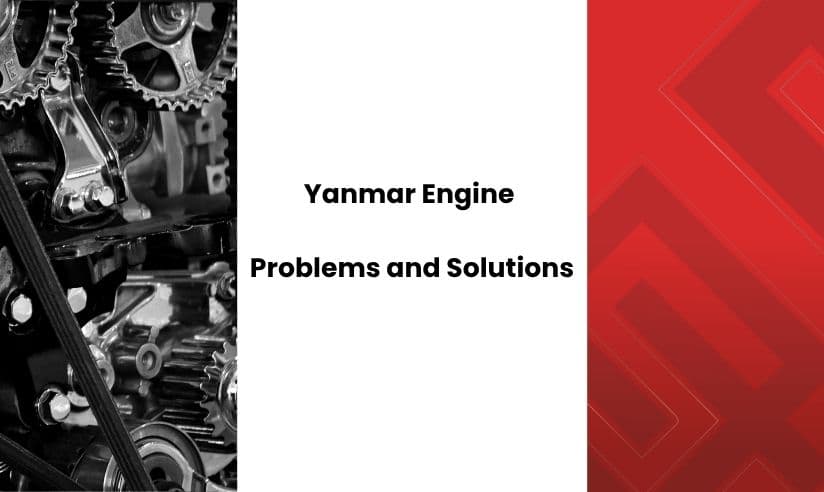
Yanmar Engine Problems and Solutions Four systems cause almost every Yanmar engine problem: fuel, cooling, air intake, and wear. Doesn't matter if it's bolted into a sailboat, an excavator, a generator, or a tractor. The application decides which one fails first. The troubleshooting order stays the same regardless. Most Common Yanmar Engine Problems by Application Start with marine. Salt water is brutal on heat exchangers and mixing elbows, and more often than not, the raw water pump impeller goes first. Long storage periods cause their own headaches too. Fuel sitting untouched picks up moisture or just starts breaking down, and that's where a lot of Yanmar marine diesel engine problems actually begin. Most Tier 4 Final construction and industrial Yanmar engines, the ones running mini excavators, wheel loaders, and generator sets, pair EGR with a DPF, and those two components absorb most of the abuse. Idle-heavy duty cycles rarely build enough natural exhaust heat for passive DPF regeneration, which pushes the system into active or forced regen more often. Carbon buildup in the EGR valve is the other common failure, and it can leave the valve stuck shut or stuck open. Generators have their own quirk. Light-load or idle running leads to wet stacking, unburned fuel and carbon collecting in the exhaust because the engine isn't running hot enough to burn it clean. Agricultural engines (ag engines) take a beating from dust through the intake, and seasonal storage between planting cycles lets fuel degrade and injectors gum up. Different symptoms, same rule: how the engine gets worked decides where it breaks, not just the hours on the meter. Why Yanmar Engines Fail to Start and How to Fix It? Yanmar engine starting problems almost always trace to one of four usual suspects: battery, glow plugs, fuel, or compression. Work through them in that order and you'll usually find it fast. Weak battery, first and most common. Slow cranking means less compression heat right when the engine needs it most, and diesels are less forgiving about this than gas engines are. Check voltage and connections before anything else. Glow plugs are next. They heat the combustion chamber for cold starts on most Yanmar models, and a bad plug, or a bad relay, can keep the engine from firing even with a perfectly healthy battery. Grab a multimeter, test each plug for continuity, swap out whatever fails. Air in the fuel lines shows up constantly after a filter change or a tank run low. Bleed it out at the filter housing or injection pump until fuel runs clear of bubbles. While you're there, check both fuel and air filters. Clogged, and you'll see the exact same symptoms. Compression is the last one on the list, and that's for a reason, it usually means real wear. Cold starts get harder as compression drops, since the engine can't reach ignition temperature as easily. Run a compression test across every cylinder before assuming it's anything else. Yanmar Engine Losing Power or Overheating During Operation These two often get blamed on each other, but they usually come from different places entirely. Power loss first. Fuel filter, check that before anything. A clogged one restricts flow the moment the engine tries to build load, and it's the fastest thing to rule out. Dirty or worn injectors spray fuel unevenly, which shows up as rough combustion and a power drop you can feel. A dying turbo cuts power directly, it just can't push enough compressed air anymore. On Tier 4 engines specifically, a stuck EGR valve or an overloaded DPF will drop the engine into a reduced power mode until whatever's wrong clears. Overheating is a different animal, especially on marine engines. Impeller first, that's the standard starting point. A worn or chewed-up impeller cuts water flow before anything else in the system even hints at trouble. Impeller fine? Move to the heat exchanger and sea strainer, look for blockages, then the thermostat, which can stay stuck partway open under load even though it looks perfectly normal sitting still. Got a mixing elbow? Carbon and salt buildup there chokes exhaust and coolant flow at the same time. Land-based engines see the same story with a clogged radiator, a dead thermostat, or coolant that's just too low. What Exhaust Smoke Color Reveals About Yanmar Engine Health? Smoke color tells you where to look before you touch a wrench. Black means too much fuel, not enough air. Clogged air filter, dying turbo, bad injector, take your pick, the engine is burning fuel it physically can't combust. White usually means unburned fuel or a compression issue. Low compression, injector timing drifted off spec, water in the fuel, any of those will do it. Coolant leaking into the combustion chamber shows up the same way, and that points somewhere worse, a head gasket or a crack, not the fuel system. Blue is oil burning, and that's mechanical, not fuel-related. Worn rings, worn cylinder liners, bad valve stem seals, or a failing injector or lift pump letting oil sneak past, these are the usual culprits. A healthy engine shouldn't smoke at all under steady running. One quick puff under sudden hard load is just turbo lag doing its thing, nothing to worry about on its own. When Yanmar Engine Problems Require a Full Overhaul? Some of this is a single part swap. Some of it means the engine is already past that. Metal in the oil is the big one, bearings, pistons, cylinder walls, wearing against each other from the inside. No filter change fixes that. Oil consumption creeping up service after service points to worn rings, liners, or valve guides, not a leak you can just reseal. Low compression across several cylinders, not just one, usually means the wear has spread through the whole engine rather than sitting in one spot. Add in knocking, smoke that keeps coming back after the fuel and air side has already been sorted, or coolant showing up in the oil, and it all points the same way. At that point, a full overhaul handles the wear across the whole engine in one pass, rings, bearings, gaskets, seals, all at once, instead of chasing the same symptom part by part. Sensei stocks overhaul kits and complete engines for Yanmar applications across marine, construction, generator, and agricultural equipment, cross-referenced by OEM number so what arrives actually matches your engine's build. Browse Yanmar overhaul kits and complete engines at Sensei Spare Parts, or send us your engine's serial number for a fitment check before you order.
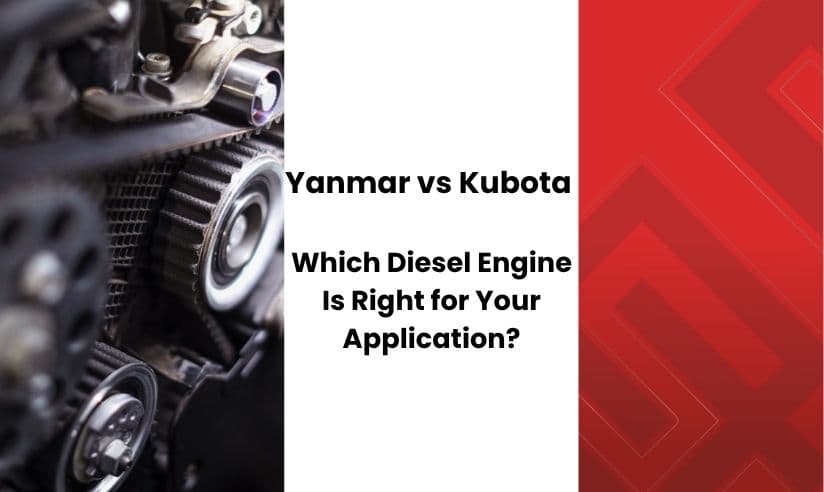
Yanmar Diesel Engine vs Kubota: A Complete Comparison Guide Ask ten mechanics which one's better. You'll get ten different answers, and most end with "depends what you're running." Not a dodge. Yanmar and Kubota earned their names the same hard way, decades in the field across marine, construction, agriculture, generators, you name it, and neither one wins outright. What actually matters is which engine fits how your machine gets worked. Yanmar Diesel Engine vs Kubota: What are the Quick Facts? Price comes up first. It always does, when someone's comparing a Yanmar vs Kubota diesel engine. But the sticker number is close to meaningless on its own. Parts. Service access. Downtime. Those costs pile up over years in a way the purchase price never hints at. Yanmar's approach: squeeze more power out of less engine. Higher power-to-weight ratio, torque that peaks further up the RPM band. Where does that pay off? Marine engines. Generators. Mini excavators. Agricultural (ag) equipment. Anywhere size and weight matter as much as raw output. Kubota took the opposite path. Compact tractors and construction gear first, and somewhere along the way it turned into the engine a huge chunk of OEM equipment brands reach for. You can hear that history in how it's tuned, a wide torque band that holds steady no matter where the RPMs sit, built for machines whose load never sits still. Construction sites. Farms. Forklifts. Generators. You'll run into a Kubota constantly. Emissions won't be what splits these two apart. Both meet Tier 4 Final and EU Stage V, both lean on DPF and EGR to get there. Parts access has more to do with your region and dealer network than which brand you picked, though Kubota's footprint across so much OEM equipment usually means a parts counter or service shop isn't far off. Neither one's the wrong pick on paper. Load profile, climate, how the machine actually gets serviced, that's what decides it. Not the badge. How do Power Output and Torque Delivery compare? Power Output and Torque Delivery Smaller displacement. More horsepower. Torque that shows up higher in the rev range. That's Yanmar in three moves. Put that engine in a machine that keeps shifting speed, a mini excavator swinging from dig to lift and back all day, and it feels sharp, almost eager. Kubota goes wide instead of high. Hold pulling power steady across a broad RPM window instead of chasing one peak, that's the idea. Load it up, loader work, PTO implements, hour after hour, and the digging force barely moves even when hydraulic demand spikes hard. Fuel Efficiency Both run electronic fuel management and common rail injection these days, so the fuel-burn gap that used to separate them has mostly closed. Yanmar keeps an edge in light-to-medium duty, its higher-RPM tuning just burns cleaner there. Push the load heavier, keep it sustained, and Kubota catches up. Sometimes it gets ahead. Duty cycle decides more of this than the badge ever will. Build Quality Nobody's cutting corners on tolerances, not on either side. Plenty of engines from both brands clock past 10,000 hours with proper upkeep, and that's field record, not marketing copy. Kubota's trust comes from sheer numbers, tractors, skid steers, generators, all stacking hours across an enormous install base. Yanmar's case is built differently: marine and industrial duty, where corrosion and nonstop running find the weak points fast, if there are any to find. What are the Maintenance Requirements for Yanmar vs Kubota? Yanmar Maintenance Profile Yanmar lays out service in stages. Fifty hours, 250, 500, 750, that's roughly the rhythm on a lot of engines, and each stage comes with a kit number that pulls the whole parts list in one order. No guesswork. Plan ahead and this system works great. Get stuck far from a Yanmar dealer needing a part today, though, and it's a different story, the aftermarket network is growing but it's not everywhere yet. Kubota Maintenance Profile Kubota runs a similar rhythm: 50-hour check, oil and filters near 200 hours, hydraulic and transmission service around 300. The schedule isn't really the difference-maker here. It's who's around to actually do the work. Kubota engines sit inside so much OEM equipment that finding a shop that can service one rarely takes long, and that matters the day something breaks off-schedule. How does Cold Weather Performance compare? Get the fundamentals right, correct oil weight, glow plugs that actually work, a block heater when it's truly sub-zero, and both engines fire up fine through winter. Spend enough time around operators up north, though, and Yanmar's name comes up more for easy cranking. These cold-start components — glow plugs, block heaters, and relays — are part of the broader diesel engine electrical system that determines how reliably either brand fires up in low-temperature conditions. Compression ratio and glow plug response usually get the credit. Take that for what it is: field chatter, not a spec sheet. Kubota starts just as reliably for most people day in and day out, and any lag in glow plug warm-up tracks the specific model more than it tracks the brand. Fuel management beats brand loyalty here, every time. The right anti-gel additive, the correct oil grade, either one will save a cold start faster than switching manufacturers ever could. How do Emissions Compliance compare? Same playbook, both brands: common rail injection, cooled EGR, DPF with active regeneration, Tier 4 Final and EU Stage V compliant across the board. Neither one's ahead here. What actually separates a smooth-running engine from a problem one is aftertreatment upkeep, regenerating the DPF on schedule, keeping the EGR cooler serviced. Skip that on either brand and reliability drops the same way, no exceptions. Which One Works Better for Your Machine? Skip the brand loyalty. Look at the work instead. Variable speeds, constant load changes, general construction, or you just want parts and service close to home? Kubota tends to win that one. Sustained high-output running, marine or industrial duty especially, where power-to-weight and nonstop durability carry the most weight? Yanmar's the better bet there. Either way, an engine's only as good as what goes back into it at rebuild time. Sensei carries overhaul kits, cylinder heads, and Common Rail components for both, cross-referenced by OEM number, so what shows up at your door actually matches your engine's build. Not just the name stamped on the block. Browse Yanmar parts or Kubota parts at Sensei Spare Parts, or send us your engine's serial number for a fitment check before you order.
Why Marine Diesel Maintenance Is Non-Negotiable Salt air, variable loads, weeks of sitting at the dock followed by hard use. Marine diesels work in conditions a road vehicle never sees. A Yanmar marine engine on a sailboat or a Kubota diesel powering a workboat is dealing with corrosion, raw water contamination, and cooling system stress that a tractor engine will never encounter. The failures that strand boats are almost always preventable: deferred cooling system service, contaminated fuel, skipped oil changes. Cheap to prevent. Expensive once damage is done. And the failure usually happens somewhere inconvenient. This is a maintenance reference for Yanmar and Kubota marine diesels. What needs doing, when, and what breaks when it gets skipped. Understanding Your Marine Diesel Engine Most recreational and light commercial vessels run a Yanmar (3YM30, 4JH series, 6LY, 6LP) or a marinized Kubota (D-series or V-series blocks). Both are well-supported engines with good parts availability. Both break in the same places when maintenance gets deferred. The cooling system is where most expensive problems start. Marine diesels run a dual circuit: raw water (seawater) for primary heat rejection, and a closed freshwater loop through the engine block. That two-circuit design is what makes marine cooling maintenance fundamentally different from a land engine, and it's where the service intervals actually matter. Marine Diesel Maintenance Schedule Yanmar specifies 250 hour oil change intervals for most 3YM and 4JH engines. Kubota marine engines follow similar intervals. If the engine sits for months between uses, change the oil regardless of hours. The acidic byproducts in used oil corrode bearing surfaces during storage, and 200 hours worth of oil sitting in a block over winter is not the same thing as 200 hours of actual running time. Daily Pre-Start Checks Before starting the engine, run through this checklist: Seacock open. Oil level on the dipstick. Coolant overflow tank level. Bilge scan for fuel or coolant. Once running, watch the exhaust. Raw water discharge should appear within 30 to 60 seconds of startup. Nothing coming out means the impeller has failed or the strainer is blocked. Shut down immediately and find the problem before running the engine further. Raw water cooling failures overheat a marine diesel in minutes, not hours. Three minutes before each start. That's the job. Oil and Filter Changes For most Yanmar marine engines -YM, JH, 6LY, and 6LP series- the factory spec is 15W-40 CF or better (confirm against your model manual).Kubota marine diesels typically run 15W-40 CF or CD depending on build year. Change the oil filter at every oil change. It's not worth trying to stretch filter life on a marine diesel that sits for weeks between uses. Beyond the filter, the full set of lubrication system parts — oil pump, pressure relief valve, and pickup tube — should be inspected at any major service interval, since salt-air environments accelerate internal corrosion faster than land-based applications.The cold start contamination cycle on an engine that runs irregularly is harder on oil than a truck logging miles every day. Sensei stocks oil filters for Yanmar YM, JH, and 6LY series engines and Kubota marine diesels, with OEM cross-reference numbers included. Fuel System Maintenance Marine fuel tanks collect water and biological growth faster than most owners expect. Partial tanks sitting in warm weather are ideal conditions for condensation and microbial contamination. Replace the primary fuel filter/water separator every 250 to 500 hours, or earlier if the bowl shows sediment or water. Secondary engine filter goes at the same interval. Hard starting, hunting at idle, surging under load: on a Yanmar 4JH or 6LY, those symptoms usually point to a restricted secondary filter before anything else. It's one of the quicker fixes if you catch it early. If the boat sits for extended periods, use a biocide additive in the tank. Once biological contamination gets established in a marine fuel tank, swapping filters alone won't solve it. For a full range of filters, separators, and injection components, our parts of fuel system catalog covers the most common Yanmar and Kubota marine engine families. Cooling System Service Raw Water Cooling System The raw water impeller fails more often than any other component in a marine diesel cooling system. It's rubber, it degrades with time and heat, and even a brief dry-run destroys it. Replace it every 300 to 500 hours, or every two seasons minimum regardless of hours. When you pull the pump cover, look for rubber fragments inside the housing. Missing pieces means they traveled downstream into the heat exchanger. Impeller debris blocking a cooling passage is not a problem you want to find mid-season. If any fragments are missing from the impeller, flush the heat exchanger. Clean the raw water strainer before each season and any time exhaust flow feels reduced. Sensei carries raw water impellers and pump kits for both Yanmar and Kubota marine engines. Freshwater Cooling Circuit The freshwater circuit is a closed loop, circulating antifreeze through the engine block and heat exchanger. It handles corrosion protection for the block and temperature stability. Change the coolant every two years. The corrosion inhibitor package degrades over time, and degraded coolant attacks aluminum surfaces from the inside. Corroded heat exchangers and pitted cylinder heads are the typical result. Most boat owners skip this one until they're looking at a head job. Use a coolant rated for diesel engines with aluminum components. Check the heat exchanger for scale buildup at every major service. Belt, Hose and Clamp Inspection Inspect the alternator/water pump drive belt for cracking, glazing, and correct tension at every oil change. A snapped belt means no raw water circulation, and a marine diesel overheats fast without it. Check every hose clamp for corrosion and tightness. Mild steel clamps corrode quickly in a marine environment. Replace any stainless double-wire clamp showing rust or surface degradation. Check raw water hoses for softening, cracking at the fittings, and collapsed sections. Exhaust System Checks Marine exhaust systems inject water to cool exhaust gases, and the mixing elbow corrodes faster than any other part of that circuit, particularly on older Yanmar engines. Inspect it every year and replace it before the wall thickness gets critical. A failed elbow with the boat sitting in a swell can allow water to work back into the engine. Check exhaust hoses for soft spots and cracking at the fittings. Confirm the waterlock (muffler) is draining properly. Winterization and Lay-Up Procedure If the engine won't run for more than 30 days: · Change the oil before lay-up, not at spring commissioning. Old acidic oil corrodes bearing surfaces during storage. · Flush the raw water circuit with fresh water, then fill with antifreeze or blow dry with compressed air. · Fog the intake with corrosion inhibitor spray while cranking the engine briefly. · Fill the fuel tank to minimize condensation space. Add fuel stabilizer. · Disconnect the battery or connect a trickle charger rated for marine batteries. · If the raw water impeller is due, service it now. Find problems during winter, not the morning you want to launch. Common Marine Diesel Problems and How to Prevent Them Overheating is almost always a raw water problem: blocked strainer, failed impeller, or a heat exchanger fouled with scale. Regular impeller replacement and annual heat exchanger inspection prevent most cases. Hard starting points to low compression (worn rings or valves) or a fuel delivery problem. On older Yanmar and Kubota marine engines, glow plug degradation shows up before compression becomes the issue. Replace glow plugs every 3 to 4 years as a preventive measure. Persistent white smoke under load (not cold start condensation) points to coolant entering the combustion chamber. Check the head gasket. Black smoke means overfueling or restricted airflow. Air filter and injector condition are the first things to check. Injector wear on high-hour engines typically shows as rough idle and reduced power well before it becomes a no-start condition. Sensei stocks Yanmar and Kubota marine injectors and injector service kits for the most common engine families. Sensei is a Yanmar and Kubota specialist with 500+ marine parts in catalog and 1,200+ genuine marine items in stock. Sensei marine parts cover the following Yanmar and Kubota engine families:Yanmar: 1GM/2GM/3GM - 2YM/3YM - 3JH/4JH - 4LHA - 6LY3/6LYA/6LYM - 6LP/6LPAKubota: Z602-E - D722-E/902-E - D1105-E/1503-E - V1305-E/1505-E - V2203-M/2403-M - V2607-E/3600-E

How to Read a Kubota Engine Serial Number If you've ordered parts for a Kubota engine and gotten the wrong fitment, the serial number is almost certainly where the process broke down. The model designation alone D1803, V2403, whatever's on the decal doesn't lock in the configuration. The serial number does. Kubota has been running the same naming conventions across decades of production, but the suffix codes change the parts picture entirely. A V2403 in a 2004 Bobcat skid steer and a V2403 in a 2018 Kubota generator are not the same engine for parts purposes. Different emissions tier, different injection setup, potentially different head and cylinder liner specs. The serial number is how you tell them apart before you order not after you receive the wrong kit. Why the Serial Number Matters More Than the Model Number The model number tells you the engine family. The serial number tells you the exact build configuration. Kubota has produced variants of the same displacement block across multiple decades, Tier certifications, and application types. A D902 built for EPA Tier 2 compliance uses different fuel system components than a D902-E4 built for Tier 4 Final. A V2403 in marine configuration (V2403-M) has a different cooling circuit than the same block in construction (V2403-DI-T-E3B). When sourcing overhaul kits, cylinder heads, or injector components, a supplier without your serial number is working from probabilities. With it, fitment is confirmed against the actual production spec for your specific unit. Kubota also supplied engines to several OEM equipment manufacturers under private-label arrangements. Some compact construction equipment and generator sets carry Kubota engines without Kubota branding on the machine. The serial number is still Kubota's format it's stamped on the engine block regardless of what's on the hood. Where to Find the Serial Number on a Kubota Engine Kubota stamps serial numbers directly on the engine block. Not on the machine frame, not on an operator's sticker on the block. D-series engines (D722, D902, D1005, D1105, D1803): The serial number plate is typically on the left side of the block near the timing gear cover, or on the top of the crankcase depending on production year. On older D-series units, it's occasionally stamped directly into the casting rather than on a separate tag. V-series engines (V1305, V1505, V2203, V2403, V3800): Look on the right side of the block toward the rear of the engine. On V2403 and V3800 units in construction applications, the tag is often positioned on the upper right crankcase, visible without removing any covers. Z-series engines (Z482, Z602): These two-cylinder units are compact. The serial tag is usually on the crankcase right side, near the injection pump. Mini excavator engines (KX040, U35, KX080 series run V2403 or D1803 variants): The block tag is accessible from the right side once you open the engine compartment cover. On some configurations it requires removing a heat shield. One habit worth building: photograph the serial number plate before any teardown. Plates get painted over during resprays, corroded in marine and agricultural environments, or damaged during rebuilds. A clear photo of the full number model designation, serial sequence, and any suffix codes takes 30 seconds and saves a fitment error later. How to Decode a Kubota Engine Serial Number Kubota serial numbers break into two parts: the model designation (which includes suffix codes) and the production sequence number. Take V2403-M-DI-T-E3B-1 as an example: Segment Meaning V Vertical, inline cylinder configuration 2403 Approximate displacement in cc (2.4L) M Application: Marine DI Direct injection T Turbocharged E3B Emissions tier: EPA Tier 3 / EU Stage IIIA 1 (or longer sequence) Production serial number The application code is what most people miss. M = marine. B or no letter = industrial/construction. C or G = agricultural or generator in some series. These change which cooling components, fuel system parts, and sealing kits apply. For emissions, Kubota uses E2 (Tier 2), E3 or E3B (Tier 3), E4 (Tier 4 Final), and E5 (Stage V for EU). A Tier 4 Final engine uses a high-pressure common rail injection system. Earlier Tier 2 units use mechanical injection pumps. The overhaul kit, injector type, and head gasket spec are different between them. Simpler models like the D902-E4 follow a shorter pattern: engine family + emissions tier + production number. No application suffix because this engine ships in one primary configuration. Common Kubota Engine Series and Their Applications D-series (3-cylinder, sub-1.9L): D722, D902, D1005, D1105, D1803. Found in compact equipment mini excavators under 5 tons, small generators, compact tractors, and utility vehicles. The D1803 is one of the most common engines in Kubota's US construction lineup. V-series (4-cylinder, 2.0L–3.8L): V2203, V2403, V2607, V3800. Workhorses for mid-size excavators (KX080, U55), larger generators, and agricultural tractors. The V2403 and V3800 cover most of Kubota's commercial construction footprint in North America. Z-series (2-cylinder, sub-0.7L): Z482, Z602. Sub-compact equipment, small generators, and handheld industrial machinery. Parts availability thins out past a certain production year — the serial number confirms whether a kit is available for your specific build date. Engine swaps and OEM-supplied units: Kubota engines appear in equipment from Bobcat, Takeuchi, Manitou, and various generator OEMs. The engine serial number is always Kubota-format regardless of the machine brand. Cross-reference the engine serial, not the machine VIN, when ordering parts. How to Use the Serial Number to Order the Correct Parts With the full Kubota model designation including application code, emissions tier suffix, and production serial fitment lookup becomes specific rather than approximate. A supplier can confirm: · Overhaul kit configuration: piston ring dimensions, liner spec, bearing set · Head gasket bore diameter for your displacement variant · Injection system type: mechanical pump vs. common rail (varies by emissions tier) · Cooling circuit: raw water vs. freshwater closed-circuit on marine units · Turbo fitment: turbocharged suffix variants only At Sensei, the serial number is the first thing we ask for on any parts inquiry. We cross-reference against the Kubota parts list for your exact configuration before anything ships. If you have the number but aren't sure what the suffix codes mean, send it over, we'll decode it and confirm the correct part numbers before you commit to an order. Browse Kubota parts by engine model at Sensei Spare Parts (https://senseiparts.com), or contact us with your serial number for a fitment check. Frequently Asked Questions About Kubota Engine Serial Numbers Is the Kubota serial number the same as the model number? No. The model number identifies the engine family and general specification (e.g., V2403). The serial number includes the model designation plus production-specific suffix codes and a unique sequence number that identifies the exact build configuration. For parts ordering, you need both the model alone isn't enough to confirm fitment on emissions-tier-specific components. Can I order parts without a serial number? You can order some parts without filters, belts, and basic wear items that don't vary between build configurations. For any fitment-critical overhaul kits, cylinder heads, injectors, gasket sets you need the serial number. The production year and emissions tier change which parts apply, and those details are in the serial, not the model label. Where is the serial number on a Kubota mini excavator? The engine serial number is on the engine block itself, not on the machine frame. On mini excavators running D1803 or V2403 engines, open the rear engine compartment cover and look on the right side of the block toward the rear. On some units a thin heat shield covers the tag it unclips without tools. The machine VIN (on the frame) is separate and won't pull up the correct engine parts list.
Sensei Spare Parts LLC, a registered brand of Çözüm Makina sells high-quality engine spare parts, covering the entire product line offered by Yanmar Diesel Engines&Kubota Engine..In 2025, Sensei added common rail injectors, spare parts, and test benches to its portfolio, and began operating in the automotive sector in addition to construction machinery and marine engines.
Our Locations
Email Address
Phone Numbers
Our Partners